CPR Instructor Packages Canada: Bulk Discounts, Warranty Tips, and Support Options
A well built CPR program lives or dies on the gear. Skill fades without realistic practice, and courses grind to a halt when a valve tears, a clicker fails, or an AED trainer cable disappears between sessions. Instructors who plan for durability, spares, and support spend less time firefighting and more time teaching. This guide collects what has proven to matter in Canada, from choosing CPR training manikins to navigating bulk discounts, warranties, and the practicalities of service and shipping across a big country.
What a complete instructor package actually needs
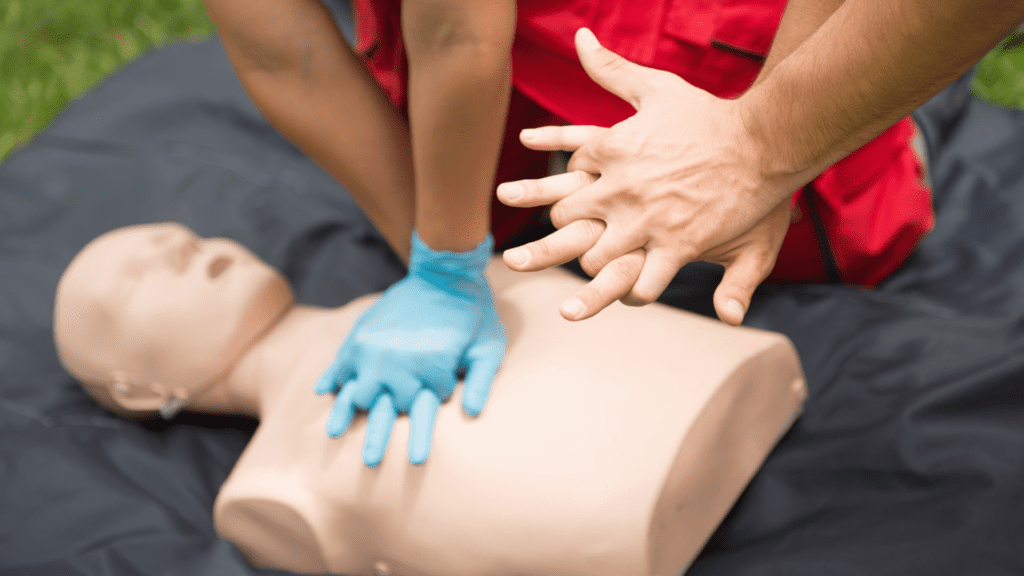
The term CPR instructor packages Canada gets used loosely. Some bundles ship with four torsos and a bag. Others include AED trainers, child and infant manikins, spare lungs, and a cleaning kit. Before comparing prices, map your teaching footprint. A community instructor who runs two blended-learning recert days per month needs a different setup than a college program with 24-student cohorts, or a municipal training unit that prepares lifeguards, firefighters, and childcare staff.
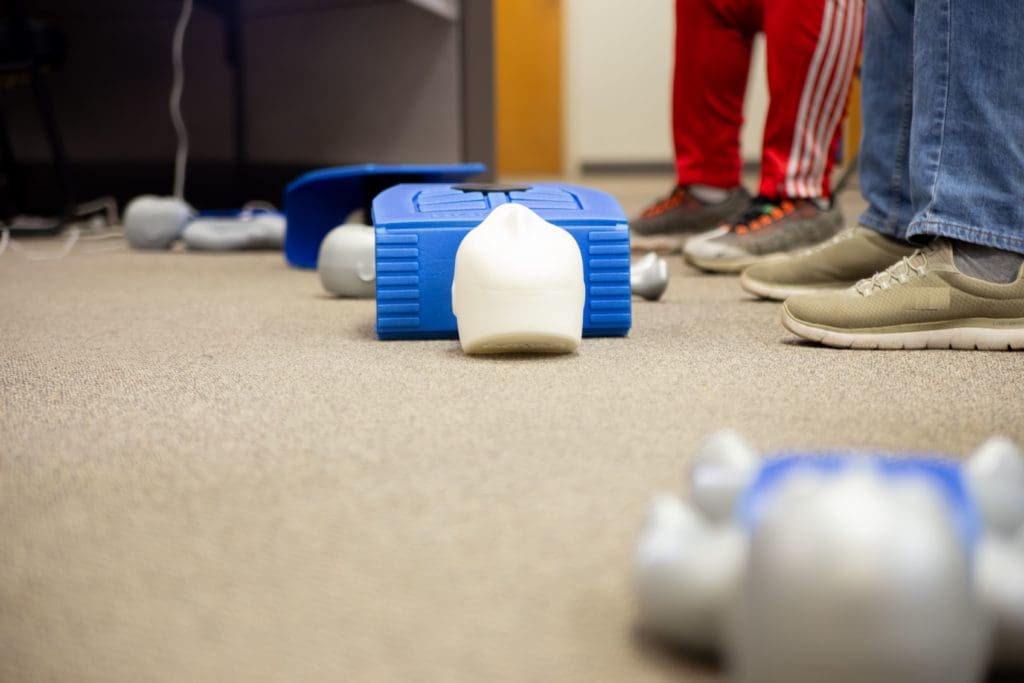
A functional set for common BLS or lay rescuer courses usually includes adult torsos with feedback for compressions and ventilations, at least a pair of infant manikins, one or more AED trainers with multi-brand pads, pocket masks or barrier devices for hygiene, and a method for cleaning between students. In Canada many providers also expect bilingual overlays or cue cards, even if the class runs in English, especially in federal workplaces or Quebec. If your clients expect CPR and first aid training kits for take-home practice, factor that into your spend separately. Those consumable kits have different shelf lives and storage rules than reusable gear.
On manikin count, the sweet spot is one adult per two students. If you teach with a ratio of one to three or more, plan for longer skill stations or staggered practice. That may be fine for short refresher modules. For initial certification, it slows confidence building and invites bad habits.
Quality tiers and what you actually gain
In the Canadian market, CPR training manikins range from basic torsos to high fidelity QCPR units that pair with apps and track recoil and hand position. Rough price ranges in CAD to set expectations:
- Entry level, durable torsos with mechanical clickers and disposable lungs often land around 120 to 250 per unit, lower in bulk. These are reliable workhorses for layperson CPR. You trade app analytics for simplicity.
- Mid tier units with visual feedback lights or basic Bluetooth apps tend to cost 300 to 500. They make instructor assessment more consistent and can speed up remediation with visual cues.
- High end QCPR manikins for BLS and advanced programs start near 600 and climb past 1,200 depending on features. They allow live scoring, instructor dashboards, and data exports for quality audits. Electronics add capability and maintenance points.
For AED training equipment Canada has a similarly wide spread. A straightforward trainer with a single voice language switch and reusable adult pads can be found in the 200 to 350 range. Trainers that simulate multiple AED brands, include both adult and pediatric modes with separate pads, and allow remote pause or scenario control typically run 350 to 600. Rechargeable internal batteries are worth the premium if you run back to back classes.
A detail that matters across tiers is pad adhesion. Reusable training pads pick up fibers from shirts and carpet, and the adhesive weakens. Budget for replacements. In busy programs, a set of adult pads may last six to twelve months before they become irritating to manage. On infant manikins, soft vinyl faces tend to scuff with abrasive wipes. A gentler quaternary ammonium based cleaner preserves them longer than strong alcohol solutions.
Choosing for Canadian realities, not spec sheets
Instructors in Halifax do not face the same logistics as teams in Prince George or Iqaluit. Shipping matters. A single case of manikins is volumetric freight. Western shipments can take a week. Remote and Northern communities may wait two to four weeks in winter and pay surcharges. If your schedule is tight, negotiate delivery windows in writing and ask the vendor to stock a loaner pool. Good suppliers will help you bridge delays on warranty exchanges or backorders.
Bilingual needs are often overlooked. Even when the class runs in English, workplaces with federal oversight expect French content availability. AED trainers that speak both languages out of the box save time. With purely English voice prompts, you will add workaround steps such as laminated French cue cards. Those slow transitions during practice. Verify not just the availability of a French setting but the clarity and volume of the audio in a real classroom.
Another Canadian quirk is tax handling. Your invoice may include GST or HST depending on province, and sometimes PST on top if the supplier is registered in multiple provinces. Registered charities can claim a partial rebate of GST or HST. Municipal services often buy under standing offer agreements. None of this changes the training experience, but it changes landed cost and cash flow. If you run a small business, ask for quotes that clearly separate equipment, consumables, and shipping on different lines. That simplifies bookkeeping and any rebates. Get a sense of your ongoing consumable burn rate, since that will feed directly into your price per student.
How real classrooms shape equipment choices
Consider a blended BLS class in Toronto with 12 learners on a Tuesday night. You book two hours, with 20 minutes for setup and teardown. Four adult manikins with feedback lights and two infants will speed stations, but the bottleneck is usually the AED trainer rotation. With one trainer, you spend time moving pads and having students wait for prompts. With two trainers, you double throughput, and the class moves briskly. The difference in perceived quality is larger than the line item cost of an extra trainer. Anecdotally, when we shifted from one to two AED trainers per 12 learners, we shaved 10 to 15 minutes off the course without cutting practice time. That leaves a buffer for questions or a debrief story that cements learning.
On the other end, a rural instructor who runs four recerts per quarter may be better served by a simpler, more rugged setup. Electronics that sit idle can corrode or complain about firmware the next time you pull them out. A set of mid tier torsos with mechanical feedback and one AED trainer is enough when you are not pushing dozens of candidates through each week.
The business case for bulk in Canada
Bulk buys do two things. They lower the sticker price and they standardize your fleet. Standardization is worth money. Parts and procedures align, instructors cross cover classes without fumbling for app menus, and you reduce the time spent managing oddities. In Canada, most distributors set discount tiers at common breakpoints such as quantities of 5, 10, and 20 on manikins, and 3 to 6 on AED trainers. The exact numbers vary, but it is normal to see 8 to 15 percent off at the first tier, 15 to 25 percent at the second, and free freight or bonus consumables when you cross a larger threshold.
Freight is its own lever. A single carton may add 30 to 50 in ground shipping for urban addresses, but pallets ship more economically per unit and arrive more predictably. When ordering for a college or municipal program, coordinate across departments. A joint order for the nursing lab and the community CPR program can push you into a better discount tier even if the budgets are separate. You can still ship to separate receiving docks if you tell your vendor at the quote stage.
Cooperative buying among independent instructors also works. Some Canadian suppliers will honor a group discount if each party places and pays for their portion within a short window. They track the combined quantity for discount purposes. You may need to accept a shared shipment to one location to keep freight simple. Work out the logistics before you ask for a price.
Warranty terms that actually protect you
Most recognized brands selling CPR training manikins Canada offer warranties in the range of one to three years on manikin bodies and one to two years on electronics. Some AED trainers bump that higher. The small print matters. Consumables such as lungs, valves, and adhesive pads are never covered as defects unless they arrive damaged. Damage from harsh disinfectants often voids coverage. Bluetooth components and charging ports sit in a grey zone between wear and defect. Keep your packaging and document issues early.
A warranty is only as good as the support behind it. Ask two questions during quoting. First, does the Canadian distributor handle warranty claims locally, or will you be asked to ship to the United States or Europe? Second, can they cross ship replacements if a device fails in the middle of a training cycle? Cross shipping, where a replacement goes out before you return the defective unit, avoids canceled classes. Some vendors will only do this for accounts in good standing or with a credit card hold. That is reasonable. Negotiate it up front, not after a failure.
If your classes depend on QCPR analytics, understand firmware policies. Some training devices require periodic updates, and features can change. You will need stable Wi Fi or a laptop with the right drivers. Programs that do not want to fuss with tech sometimes decide to keep one or two high fidelity units for assessment and a bench of sturdy, no app torsos for practice. That mix manages risk and cost.
A practical buying checklist for Canadian instructors
- Match gear to class load. Work toward one adult manikin per two learners, one infant per four, and one AED trainer for every six. Adjust for session length.
- Confirm bilingual audio and overlays for AED trainers and any printed cue cards if you serve federal workplaces or Quebec.
- Verify warranty terms in Canada, including who handles repairs and whether loaners or cross shipping are available.
- Model total cost per student, including lungs, valves, wipes, replacement pads, and freight to your location throughout the year.
- Ask for volume tiers, educational discounts, or cooperative purchasing options. Freight and free consumables can be worth as much as a headline discount.
Stretching life with smart maintenance
Consumables are not the only wear items. Springs that drive chest recoil and mechanical clickers eventually tire. If your feedback no longer clicks at the right depth, students adjust compressions to suit the noise rather than the standard. That can imprint bad technique. Good vendors will sell spring kits and clear instructions. Replacing a chest spring is a 15 to 30 minute job per torso once you have done it once. Schedule it annually or after a fixed student count. Programs that track student throughput and maintenance see fewer mid class surprises.
On sanitation, the public has a sharp sense for cleanliness. Visible wipes on the table help as much as the actual cleaning. Use non alcohol quaternary ammonium wipes approved for non porous training equipment, and allow proper contact time. Alcohol can dry and craze vinyl, and chlorine leaves stains. For classes that prefer ventilation practice with barrier devices, train learners to grip the nose bridge gently. Overzealous nose pinches tear face skins. Keep a few spare faces and lungs within reach in a small organizer box. Nothing derails a station like a hunt for parts at the back of a hall.
Battery management is another slow leak. AED trainers with removable AA cells are fine if you run occasional courses and like the convenience of swapping in fresh batteries. If you teach daily, rechargeable packs pay for themselves and reduce landfill waste. Build a routine. Put trainers on charge immediately after teardown, not the next morning, because you will forget. Label cables and keep them in the same pocket of the bag, or better yet, zip tie one to each unit. In shared programs, unlabeled chargers walk away.
Delivery, returns, and the small print that bites
Canadian return policies vary. Some distributors allow 15 to 30 day returns on unopened items subject to a restocking fee, which ranges from 10 to 25 percent. Opened consumables never go back. Special order items, such as French only voice modules, often are final sale. If you are piloting a new brand, ask for a demo unit or a rental credit that converts to purchase. Reputable suppliers will work with you, especially if you represent a larger training program.
Packaging is not just recycling. Save at least one factory box and internal foam set for each model in your fleet. If https://telegra.ph/Essential-First-Aid-Oxygen-Supplies-in-Canada-for-Sports-and-Events-05-25 a warranty exchange is needed, that packaging protects the unit in transit, and some vendors require it. Photograph serial numbers and keep them in a shared drive with your receipts. When staff turns over, that folder prevents a lot of detective work.
The support ecosystem you should expect
Emergency training equipment Canada is a small but mature market. The difference between a good and a great supplier is support. You should be able to reach a knowledgeable human by phone or email who understands your course pressures. Expect:
- Advice on mixing brands when necessary. For example, pairing mid tier torsos from one maker with AED trainers from another because the pads last longer or the audio is clearer. Vendors who only push a single brand usually protect margin, not your program.
- Access to training resources, such as PDF cleaning protocols, short videos for new instructors on pad placement for different trainers, and bilingual cue cards you can print in a pinch.
- A plan for spares. During heavy seasons, such as June lifeguard trainings or fall college intakes, spares run thin. Ask your supplier how they handle the surge. If they do not know, have your own buffer.
Some Canadian vendors offer fee based service contracts that include annual inspection, firmware updates, and a supply plan for consumables matched to your course calendar. For programs that are audited, such as hospital based BLS, the documentation can be worth the price. For small shops, it may be overkill. Weigh the administration time you save against the premium.
Budgeting with eyes open
It helps to model cost per student on a real calendar. Take a modest independent instructor running 20 classes a year with an average of 8 students per class. That is 160 learners. Suppose you own four adult torsos at 250 each, two infants at 200 each, and two AED trainers at 300 each. Your capital is roughly 2,000. If you amortize over three years, that is 667 per year. Add consumables: lungs and valves at about 1 to 2 per student for shared manikins, replacement pads twice a year at, say, 50 per set, and wipes at perhaps 60 per case a few times a year. You might land near 400 to 600 in consumables. Add freight for two orders, 60 to 120, and a bit of spare parts, 100. You are in the 1,200 to 1,400 operating zone plus amortization, so around 1,900 to 2,100 annually. Divide by 160 learners and you are at 12 to 13 per student in equipment costs before taxes. Prices vary, but this framing helps price courses responsibly and decide when bulk purchasing is worth it. If a bulk order saves you 300 and gets free freight, that is two dollars a student in your pocket or room to include a better barrier device.
When high fidelity is worth the premium
Not every program needs app connected manikins, but there are times when they pay for themselves. Hospital BLS programs under scrutiny, paramedic college cohorts where instructors need granular metrics to separate skill gaps from nerves, and corporate clients that expect reports after training benefit from QCPR data. The ability to display compression depth distribution or pause metrics during debrief fixes technique faster than verbal cues alone. You also gather evidence of quality delivery, which matters during renewals and audits.
If you go this route, manage the human factor. Not all instructors feel comfortable with phones and tablets during teaching. Pair tech friendly staff with those who prefer coaching by eye. Run a mock class after you buy so the first stumble happens off stage. And test the Bluetooth environment at your venue. Concrete walls, overlapping Wi Fi, and adjacent classes can disrupt connections. Keep a plan B, such as switching to local light indicators or turning off the app to finish a scenario.
An instructor’s warranty and support playbook
- Register products with the manufacturer and the Canadian distributor on day one, and record serials in a shared file.
- Standardize cleaners and train all instructors on what not to use. Photograph the approved wipe so there is no confusion.
- Set a rotation for consumables and springs. Replace before they fail based on time or student count, not after.
- Keep a small bin labeled Spares with lungs, face skins, pad cable adapters, and a dedicated mini tool kit.
- Build a relationship with one primary supplier and one backup. Share your course calendar so they can anticipate your needs.
A note on CPR and first aid training kits for learners
Some clients like to send employees home with personal CPR and first aid training kits. These differ from classroom gear. Kits typically include a cardboard manikin face, a one way valve shield, and an instructional card. Others add a simple practice AED markup or a bandage assortment that resembles a workplace kit. From a stocking standpoint, kits tie up capital and shelf space, and some components have expiry dates. Ask your supplier for small batch restocks rather than buying a year’s worth. If you deliver across Canada, route kits to regional offices ahead of time rather than flying with them. Airlines treat boxes of plastic valves as suspicious until inspected, and you do not need that delay.
Bringing it together
Across hundreds of classes, the same truths repeat. Gear that matches your teaching flow makes classes easier to run and safer to assess. In Canada, shipping, bilingual needs, and tax handling add wrinkles you can smooth by planning. Push for bulk discounts when numbers justify it, but do not skimp on spares and consumables. A canceled class costs more than a box of lungs. Treat warranties like insurance. Fine print is dull, but cross shipping, local repair capacity, and clear serial tracking will save a course one day. Finally, nurture your support network. A vendor who answers the phone, ships a loaner overnight to Saskatoon, and warns you when a specific AED trainer pad is on global backorder is worth loyalty. Your students will not see those details, but they feel the difference when everything just works.
CPR Depot Canada — Business Info (NAP)
Name: CPR Depot CanadaAddress: 340 Croft Dr, Tecumseh, ON N8N 2L9
Phone: +1-877-570-7322
Website: https://cpr-depot.ca/
Email: [email protected]
Hours:
Monday: 9:00 AM – 6:00 PM
Tuesday: 9:00 AM – 6:00 PM
Wednesday: 9:00 AM – 6:00 PM
Thursday: 9:00 AM – 6:00 PM
Friday: 9:00 AM – 6:00 PM
Saturday: Closed
Sunday: Closed
Open-location code (Plus Code): 8537+C8 Tecumseh, Ontario
Map/listing URL: https://www.google.com/maps/place/CPR+Depot/@42.3036,-82.8392601,17z/data=!3m1!4b1!4m6!3m5!1s0x883b2aedd5f271a1:0xfee6f8b7ab8f4110!8m2!3d42.3036!4d-82.8366852!16s%2Fg%2F1q6cff15h
Embed iframe:
Socials:
https://www.facebook.com/people/CPR-Depot-Inc/61575911496200/ https://www.instagram.com/cprdepotinc/ https://www.youtube.com/@CPRDepot
https://cpr-depot.ca/
CPR Depot Canada is a supplier of medical training products and related supplies serving customers across Canada.
The business is listed at 340 Croft Dr, Tecumseh, ON N8N 2L9.
To contact CPR Depot Canada, email [email protected] or call +1-877-570-7322.
Hours listed are Monday–Friday 9:00 AM–6:00 PM, with Saturday and Sunday closed.
For directions and listing details, use: https://www.google.com/maps/place/CPR+Depot/@42.3036,-82.8392601,17z/data=!3m1!4b1!4m6!3m5!1s0x883b2aedd5f271a1:0xfee6f8b7ab8f4110!8m2!3d42.3036!4d-82.8366852!16s%2Fg%2F1q6cff15h
Popular Questions About CPR Depot Canada
Where is CPR Depot Canada located?CPR Depot Canada is listed at 340 Croft Dr, Tecumseh, ON N8N 2L9.
What are the hours for CPR Depot Canada?
Hours listed: Monday–Friday 9:00 AM–6:00 PM; Saturday and Sunday closed.
What does CPR Depot Canada sell or provide?
CPR Depot Canada supplies medical and first aid training products and related equipment (product availability varies).
Do they ship across Canada?
The business markets to Canadian customers and operates as a Canada-wide supplier; confirm shipping options at checkout or by contacting [email protected].
How can I contact CPR Depot Canada?
Phone: +1-877-570-7322
Email: [email protected]
Website: https://cpr-depot.ca/
Map: https://www.google.com/maps/place/CPR+Depot/@42.3036,-82.8392601,17z/data=!3m1!4b1!4m6!3m5!1s0x883b2aedd5f271a1:0xfee6f8b7ab8f4110!8m2!3d42.3036!4d-82.8366852!16s%2Fg%2F1q6cff15h
Landmarks Near Tecumseh, ON
1) Tecumseh Town Hall2) Lacasse Park
3) Lakewood Park
4) WFCU Centre (Windsor)
5) Devonshire Mall (Windsor)