Comprehensive First Aid Oxygen Supplies in Canada for Clinics and EMS
Prepared oxygen can be the difference between a manageable emergency and a preventable tragedy. In Canadian clinics and EMS units, timely oxygen delivery buys time for diagnostics, transport, and definitive care. I have seen quiet waiting rooms turn urgent in seconds, and rural ambulances push deep into snowbound roads with an oxygen cylinder keeping a patient stable long enough to reach a warm bay. Good kits do not happen by accident, and neither does reliability. This is a craft: choosing components that fit your environment, setting up processes that withstand fatigue and weather, and training people to act without hesitation.
Why oxygen readiness sits at the core of first aid
Breathlessness is one of the most common reasons people seek help, whether from chest pain, asthma, pneumonia, opioid toxicity, or trauma. Oxygen is not a cure, yet appropriate delivery stabilizes saturation, reduces cardiac strain, and often clears the fog of panic for both patient and provider. In many Canadian regions, long distances and winter conditions add minutes or hours to care timelines. An oxygen system that is well matched to the setting keeps you from running short at the worst possible moment.
Clinics and first responders also juggle scope of practice rules, varied levels of training, and different patient populations, from infants to older adults with COPD. A single oxygen kit does not fit all uses. What works for an urban urgent care with wall outlets and centralized supply may become a liability in a rural dental clinic or volunteer fire apparatus. Building the right setup takes some honest accounting of risk, patient volume, and logistical realities.
Core components of a reliable first aid oxygen setup
Most Canadian clinics and EMS services build around a portable cylinder with a compatible regulator, a range of delivery interfaces, airway adjuncts, and monitoring. Battery powered tools and a few consumables round out the set. If the kit serves a mobile team, add protection against cold, vibration, and moisture. If it lives in a clinic, plan for quick access and safe storage near your most likely points of care.
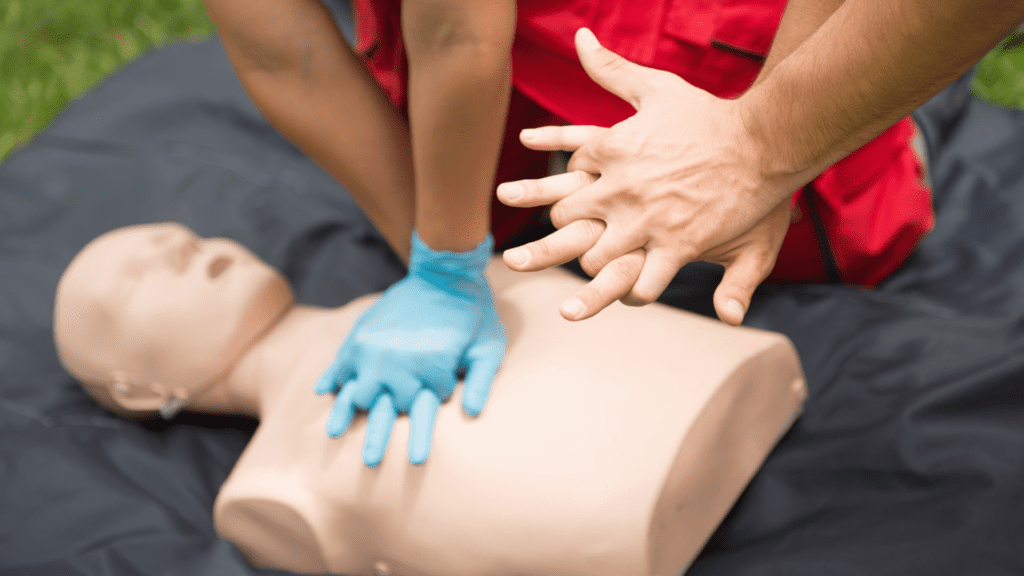
The essentials include a cylinder sized to your needs, a regulator with an easy to read gauge, nasal cannulas and non rebreather masks, a bag valve mask with oxygen reservoir, oropharyngeal airways, suction, pulse oximetry, and spare parts that fail the most often. For services supporting cardiac arrest response, ensure seamless integration with your AED and CPR equipment. Many Canadian buyers now combine first aid oxygen supplies Canada ordering with AED programs, making replenishment more predictable and cutting back on downtime.
Choosing cylinders for Canadian conditions
Portable oxygen cylinders come in several sizes. In practice, most clinics and basic ambulances rely on the mid range sizes that balance capacity and weight. Smaller cylinders are less intimidating for first aid providers and patients, but they run dry sooner than expected during high flow delivery. Heavier cylinders ride well on stretchers and in wall brackets, yet make foot carries up stairwells unforgiving.
Fitting the regulator is straightforward. Oxygen cylinders use a pin index system that prevents misconnection. Stick with well supported, health care grade regulators sourced through reputable channels. Many services aim for a working pressure of around 2,000 psi at fill, with usable oxygen calculated by a cylinder factor you can obtain from the supplier. If you are not sure of the exact factor, ask during procurement and write it on the cylinder label. That tiny note has spared more than one team from guesswork during a long call.
Transport and storage require attention to Canadian rules for compressed gases. Cylinders must be secured upright, valves capped during transport if the regulator is removed, and kept away from excessive heat sources. In vehicles, use brackets that lock, not bungee cords or improvised straps. Cold weather matters, but oxygen itself will not freeze under typical Canadian winters. The weak points are regulators and flowmeters, which may fog, stick, or crack in subzero conditions. I keep neoprene covers and a simple habit: bring the kit inside at shift change so it warms to room temperature before the first call.
Regulators, flow control, and the details people overlook
A durable regulator with a clear gauge and tactile flow settings saves time. In noisy scenes and on dark winter roads, click stop flowmeters shine. Continuous flow regulators are standard for most first aid uses. For advanced providers, demand flow devices can reduce waste and extend duration, but they require the right mask and training. Thread tolerances and seals vary by manufacturer. If you mix brands, carry spare O rings and test for leaks whenever you swap units. A tiny hiss from a compromised seal can drain a tank in an hour.
Flow rates should match the device and the patient. Nasal cannulas typically run 1 to 4 L/min for comfort in stable adults, sometimes up to 6 L/min. Non rebreather masks start around 10 L/min and often go higher to maintain reservoir inflation. Bag valve masks with reservoirs perform best near 15 L/min. These numbers are not magic. Watch the patient. If lips are blue and the reservoir bag stays collapsed, your flow is too low relative to the patient’s demand.
Delivery interfaces that earn their keep
If budgets are tight, prioritize a range of interfaces that cover the most common scenarios. Non rebreather masks for hypoxic adults, pediatric masks sized by weight, nasal cannulas for milder cases or those who cannot tolerate masks, and a bag valve mask for assisted ventilation. Make sure the BVM has an oxygen reservoir and a PEEP valve if your staff is trained to use it. Transparent masks help you see vomitus or blood, reducing surprise. Elastic straps and metal nose clips break more often than you think, so carry replacements.
- Practical comparison of common delivery devices:
- Nasal cannula: stable adults needing low to moderate support, allows talking and eating, dries mucosa with prolonged use.
- Simple mask: short term moderate support when cannula is insufficient, not for vomiting risk.
- Non rebreather mask: rapid support for hypoxic patients, requires adequate flow to keep reservoir inflated.
- Bag valve mask with reservoir: for inadequate respirations or apnea, training dependent, fatigue prone for single rescuer.
- Demand valve or CPAP (where protocols allow): useful in pulmonary edema or severe distress, requires tight seal and monitoring.
Airway adjuncts and suction
Oropharyngeal airways are low cost and high value. Stock multiple sizes, measure from mouth corner to jaw angle, and check your packaging dates. Nasopharyngeal airways are helpful if gag reflex remains, though some clinics avoid them without specific protocols. Lubricant packets find their way to the bottom of bags; place a few in a labeled sleeve near the airways.
Suction separates a clean airway from a chaotic one. Manual squeeze pumps work but tire hands quickly. Battery powered suction units earn their space in ambulances and high volume clinics. Test suction weekly and after each use. Tubing cracks with age, and collection canisters warp in heat. Keep spare catheters from infant to adult sizes, and secure them in a way that protects sterility without making them impossible to grab.
Monitoring that supports good judgment
Pulse oximetry guides oxygen use. A drop from 96 percent to 90 percent means more in a COPD patient than a teenager after a panic attack. Cold hands, nail polish, and motion artifact skew readings. Warm fingers, wipe off polish, or move the sensor to the earlobe when needed. If you have the budget and training level, capnography complements oximetry during assisted ventilation and opioid toxicity management. For most first aid teams and clinics, a reliable pulse oximeter and a blood pressure cuff do most of the heavy lifting.
Integrating AED programs with oxygen
Cardiac arrest response marries compressions, defibrillation, and oxygenation. Clinics and community responders streamline their systems by pairing oxygen kits with AEDs. When you stock defibrillators, align consumables and accessories across brands. For example, if your site standardizes on Zoll units, it is sensible to source Zoll AED accessories Canada wide on the same replenishment schedule as oxygen masks and BVM reservoirs. Training programs that use Defibtech AED training units Canada can mirror the actual deployment model, shaving seconds off response time. Small details matter: place the BVM and an oral airway in the same pouch as your AED pads so a single rescuer does not travel back and forth.
Building the kit: what to buy, what to skip
There is a temptation to overbuy gadgets that look impressive but rarely leave the case. My bias is toward simple, rugged gear that tolerates rough handling and a couple of people using it the wrong way before coffee. A mid size cylinder with an easy read gauge, a regulator with click stops, two adult non rebreather masks, one pediatric non rebreather, three nasal cannulas, an adult and pediatric BVM with reservoirs, a set of oral airways, manual or powered suction, a basic pulse oximeter with spare batteries, tape, shears, and a roll of medical grade bagging materials. If your protocols allow, add a portable CPAP and PEEP valves, but only if training and quality assurance are strong.
Skip duplicate exotic masks and specialty connectors unless you treat those patients regularly. The space and attention you save can go to spares for the items that break or walk away: mask straps, cannula bags, batteries, and O rings.
Sourcing first aid oxygen supplies in Canada
Supply chains have stabilized compared to a few years ago, but backorders still happen. Combining local distributors with reputable First aid supplies online Canada vendors spreads risk. For remote communities and northern clinics, I prefer vendors that commit to CPR supply delivery Canada within predictable windows and that label shipments so receiving clerks recognize time sensitive items. Pay attention to the origin of regulators and valves. Parts that meet Canadian standards and have service support in your province reduce downtime when a gauge fails.
If your organization runs multiple sites, centralize purchasing lists. A consistent catalog number structure avoids one clinic ordering pediatric non rebreather masks while another orders adult only. Those mismatches show up when you swap gear between locations.
Training, scope of practice, and keeping skills sharp
Oxygen use sits at the intersection of first aid and clinical care. In Canada, lay providers trained in advanced first aid can deliver oxygen with basic devices, while EMS personnel operate with protocols that scale up to CPAP and manual ventilation. Make your training reflect real work. If your team never uses demand valves, do not include them in the kit. If your clinic often sees dental sedation patients, practice suction, recovery positions, and BVM use in that tight operator chair space.
AED and oxygen training pairs well. When staff rehearse scenarios with the same gear they will grab on a real day, they remember where pieces live and how they connect. Defibrillator training with pads, spare razors, and oxygen interfaces staged nearby turns a classroom session into muscle memory.
Maintenance rhythms that prevent surprises
Oxygen readiness depends on a quiet, boring routine. Schedule cylinder pressure checks, regulator function tests, and mask inventory counts. Assign a named person for each shift or week. Put it on paper or in a digital checklist. I like a laminated card on the inside of the kit lid. The person signs and dates, and lists any items they replaced.
- Quick weekly inspection checklist:
- Cylinder secured, gauge in the green zone, no hiss at the valve.
- Regulator and flowmeter free of cracks, click stops firm, O rings intact.
- Two adult and one pediatric delivery masks sealed in packaging, plus three nasal cannulas.
- BVMs assembled with reservoirs attached, valves moving freely, PEEP available if used.
- Pulse oximeter powers on, spare batteries taped together next to it, suction passes a simple finger occlusion test.
When something fails, replace it immediately. If your vendor offers automatic replenishment on consumables, use it. I see fewer gaps in organizations that automate reorders than in those relying on someone to remember.
How long will the cylinder last
You can estimate cylinder life by multiplying cylinder pressure by a factor supplied by the manufacturer, then dividing by the flow rate. If you do not know the exact factor, calling it an estimate is fair. For example, a common portable cylinder at full pressure might give you a few hundred litres of oxygen. At 10 L/min for a non rebreather mask, that yields tens of minutes, not hours. Assisted ventilation at 15 L/min drains faster. Staff should practice calculating duration during training, https://dallasyvtt240.lowescouponn.com/innovations-in-cpr-training-manikins-canada-feedback-apps-and-data-tracking-1 and someone should keep a backup cylinder nearby during higher flow care.
Real scenes do not run at textbook rates. Cold weather, small leaks, and anxious fingers that dial up flow all cut into duration. That is one reason I favor slightly larger portable cylinders in vehicles, even if the crew groans about the weight.
Cold, distance, and remote realities
Canada’s geography shapes oxygen planning. A clinic an hour from the nearest hospital may need a larger buffer than an office across the street from an emergency department. In the north and during storms, battery life shortens, plastic gets brittle, and vehicles vibrate over long stretches of frozen road. Pack gear in insulated, water resistant cases that open without a fight while wearing gloves. Label pouches clearly. In mixed language regions, simple color coding helps. Blue for airway, red for bleeding, green for oxygen. Clear labels beat memory when adrenaline rises.
Resupply poses its own challenges. If CPR supply delivery Canada to your community can take a week, maintain a par level that reflects that reality. After a busy weekend of calls, assign someone to place orders Monday morning. The most preventable shortages I have seen come from delayed ordering after a cluster of events.
Safety and compliance without the red tape headache
A few principles keep teams on the right side of safety and regulation. Secure cylinders to walls, carts, or brackets designed for the job. Keep them away from heat, oil, and sources of ignition. Train staff who transport cylinders to follow the rules for compressed gases and labeling, including Transport Canada requirements for dangerous goods in vehicles when applicable. Keep safety data sheets accessible and current. Vet equipment through suppliers who understand Canadian standards for cylinders, valves, and regulators, and who can provide service documentation on request.
Local fire codes and building rules touch storage rooms and bulk supplies. In shared buildings, speak with the property manager or safety officer before you add racks of cylinders. A five minute conversation upfront prevents headaches later.
Budget tiers and trade offs that make sense
Not every clinic can buy the top shelf version of every item. It is better to have a solid mid range kit with redundancy than a fragile high end piece that cannot be replaced when it breaks. Spend on regulators you trust, BVMs that seal well, and masks that fit. Save on fancy bags with hard to replace zippers. Consider refurbished or gently used brackets and cases if they come from reputable vendors with clear histories.
Integrate purchasing. Many organizations now bundle AED upkeep with oxygen and first aid supplies to simplify oversight. When you plan your annual budget, consider the whole response chain: AED pads and batteries, Zoll AED accessories Canada if that is your platform, oxygen masks and regulators, suction consumables, and training materials such as Defibtech AED training units Canada. Bundling raises the chance that everything stays current together.
An anecdote from a small town clinic
One February morning in a prairie clinic, a middle aged farmer walked in flushed and short of breath. The nurse recognized the pattern of rising work of breathing and confusion. The clinic’s oxygen kit lived under the triage desk, regulator pre attached, masks visible. She placed a non rebreather, dialed to high flow, and watched the reservoir stay inflated between breaths. Pulse oximetry climbed from the mid 80s to the low 90s. She activated the EMS plan and kept the patient upright and warm. When the ambulance arrived twenty minutes later, they swapped to their larger cylinder, added a PEEP valve to the BVM as his effort flagged, and departed in steady snow. The handoff worked because the gear was ready, the layout was intuitive, and the local EMS used compatible fittings. No scramble, no rummaging for cannulas.
Small details that reduce friction
Label everything. A strip of white tape with “Adult NRB” in thick marker is faster than small print on a bag. Keep shears and tape attached to the kit with short tethers so they do not vanish. Place extra O rings in a small vial taped to the regulator body. Put a notecard with your oxygen duration cheat sheet in the lid pocket.
If your team speaks multiple languages, script a short patient explanation for masks and cannulas in those languages and keep it in the kit. A calm sentence reduces resistance and speeds care.
Making online procurement work for you
Ordering first aid supplies online Canada wide has improved, but you still need to manage lead times and substitutions. Choose vendors that list expiry dates when possible. Ask whether they can lock in lot numbers for a given shipment so your sites get consistent items. For time critical needs, confirm same day shipping cutoffs. If your vendor offers a subscription model, set it with reminders, not autopilot. Human eyes should still review carts for accuracy and for items that run faster than predicted during a flu surge or wildfire season.
When you evaluate vendors, look at customer support reach in your province, availability of oxygen compatible parts, and service for regulators. A slightly higher unit price sometimes buys faster response, lower downtime, and fewer headaches when a gauge fails on a Friday afternoon.
Bringing it all together
Canadian clinics and EMS teams that handle oxygen well share a few traits. They choose components that suit their setting, they train with the exact gear they deploy, and they maintain a rhythm of inspection and replenishment that survives shift changes, snowstorms, and staff turnover. They group oxygen delivery with AED readiness, aligning accessories and training tools so one complements the other. They make procurement predictable, using trusted partners for cylinders, masks, regulators, and associated CPR gear.
You do not need a museum grade kit. You need a dependable one. If you focus on usability, redundancy for fragile parts, and the quiet systems that keep shelves stocked, your oxygen setup will be there when a patient arrives breathless and scared. And in that moment, your preparation will feel less like equipment management and more like care.
CPR Depot Canada — Business Info (NAP)
Name: CPR Depot CanadaAddress: 340 Croft Dr, Tecumseh, ON N8N 2L9
Phone: +1-877-570-7322
Website: https://cpr-depot.ca/
Email: [email protected]
Hours:
Monday: 9:00 AM – 6:00 PM
Tuesday: 9:00 AM – 6:00 PM
Wednesday: 9:00 AM – 6:00 PM
Thursday: 9:00 AM – 6:00 PM
Friday: 9:00 AM – 6:00 PM
Saturday: Closed
Sunday: Closed
Open-location code (Plus Code): 8537+C8 Tecumseh, Ontario
Map/listing URL: https://www.google.com/maps/place/CPR+Depot/@42.3036,-82.8392601,17z/data=!3m1!4b1!4m6!3m5!1s0x883b2aedd5f271a1:0xfee6f8b7ab8f4110!8m2!3d42.3036!4d-82.8366852!16s%2Fg%2F1q6cff15h
Embed iframe:
Socials:
https://www.facebook.com/people/CPR-Depot-Inc/61575911496200/ https://www.instagram.com/cprdepotinc/ https://www.youtube.com/@CPRDepot
https://cpr-depot.ca/
CPR Depot Canada is a supplier of medical training products and related supplies serving customers across Canada.
The business is listed at 340 Croft Dr, Tecumseh, ON N8N 2L9.
To contact CPR Depot Canada, email [email protected] or call +1-877-570-7322.
Hours listed are Monday–Friday 9:00 AM–6:00 PM, with Saturday and Sunday closed.
For directions and listing details, use: https://www.google.com/maps/place/CPR+Depot/@42.3036,-82.8392601,17z/data=!3m1!4b1!4m6!3m5!1s0x883b2aedd5f271a1:0xfee6f8b7ab8f4110!8m2!3d42.3036!4d-82.8366852!16s%2Fg%2F1q6cff15h
Popular Questions About CPR Depot Canada
Where is CPR Depot Canada located?CPR Depot Canada is listed at 340 Croft Dr, Tecumseh, ON N8N 2L9.
What are the hours for CPR Depot Canada?
Hours listed: Monday–Friday 9:00 AM–6:00 PM; Saturday and Sunday closed.
What does CPR Depot Canada sell or provide?
CPR Depot Canada supplies medical and first aid training products and related equipment (product availability varies).
Do they ship across Canada?
The business markets to Canadian customers and operates as a Canada-wide supplier; confirm shipping options at checkout or by contacting [email protected].
How can I contact CPR Depot Canada?
Phone: +1-877-570-7322
Email: [email protected]
Website: https://cpr-depot.ca/
Map: https://www.google.com/maps/place/CPR+Depot/@42.3036,-82.8392601,17z/data=!3m1!4b1!4m6!3m5!1s0x883b2aedd5f271a1:0xfee6f8b7ab8f4110!8m2!3d42.3036!4d-82.8366852!16s%2Fg%2F1q6cff15h
Landmarks Near Tecumseh, ON
1) Tecumseh Town Hall2) Lacasse Park
3) Lakewood Park
4) WFCU Centre (Windsor)
5) Devonshire Mall (Windsor)